
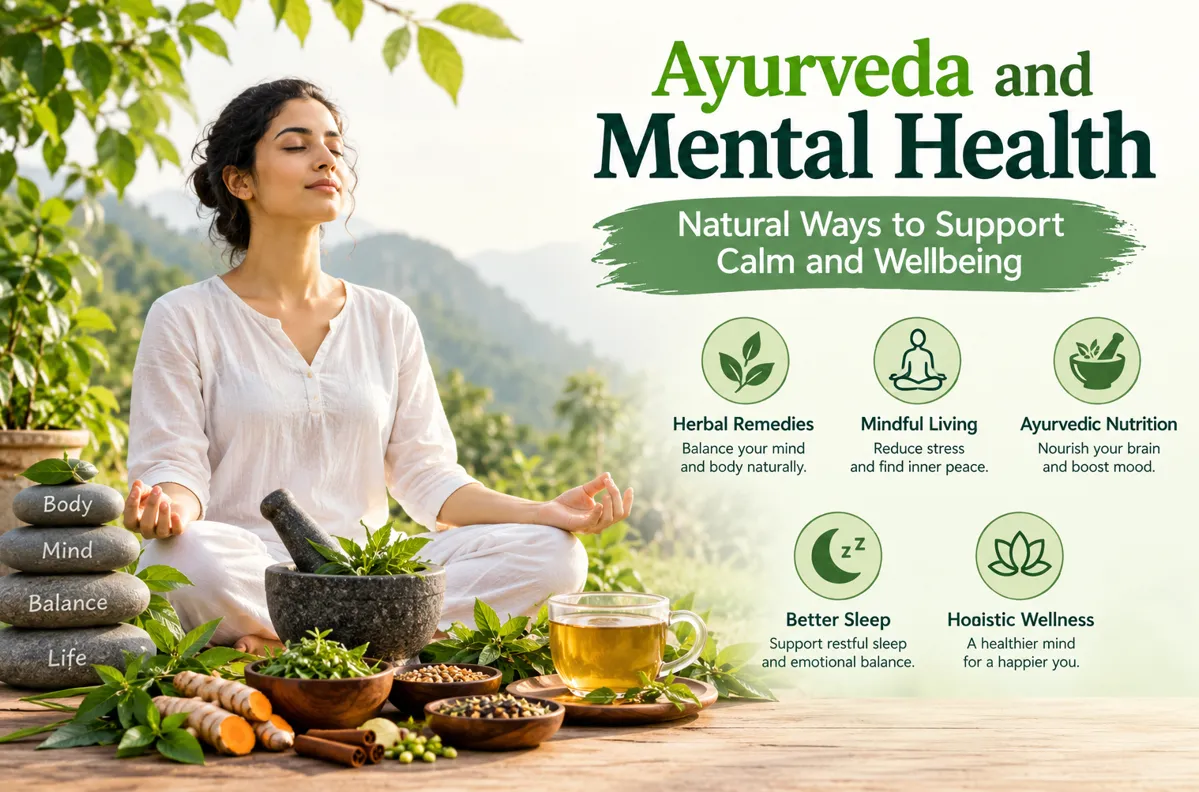
Mental health matters as much as physical health. Stress, worry, and poor sleep can affect daily life. Ayurveda offers a whole-body approach to wellbeing through food, rest, movement, and mindful habits. But natural care has limits, too. When anxiety becomes hard to manage, it is wise to seek medical help. A safe plan can include healthy routines, expert advice, and the right treatment for each person’s needs.
Understanding Ayurveda and Emotional Wellbeing
Ayurveda is a traditional system of health care that began in India. It looks at daily habits, food, sleep, and balance in life. Many people use its practices to build a calm and steady routine.
For example, a person who feels tense after work may benefit from quiet time, gentle yoga, or slow breathing. These habits may help with stress. Still, they do not cure every mental health condition. Research on many Ayurvedic treatments remains limited, so it is best to check the evidence before trying a remedy.
Daily Habits That May Help Reduce Stress
Small changes can make a difference over time. A steady routine gives the body and mind time to rest. It also makes it easier to notice what helps and what does not.
1. Keep a Regular Sleep Schedule
Try to sleep and wake at similar times each day. Keep the room quiet and dim at night. Put screens away before bed if they keep you alert. Good sleep can support mood and focus, though ongoing sleep problems may need medical care.
2. Eat Balanced Meals
Choose meals with whole grains, fruit, vegetables, protein, and enough water. Do not skip meals if doing so leaves you tired or shaky. There is no single diet that treats anxiety, but regular, balanced meals can support general health.
3. Make Time for Gentle Movement
Walking, stretching, and yoga can be useful ways to relax. Start with a level that feels safe and easy. Do not force a pose or push through pain. Some studies suggest yoga may help ease anxiety symptoms, but stronger research is still needed to confirm its effects on anxiety disorders.
Natural Remedies: What Should You Know?
Herbal products are often sold as gentle ways to feel calm. Yet natural does not always mean safe. Some products can cause side effects or interact with medicines. Certain Ayurvedic preparations may also contain harmful metals, including lead, mercury, or arsenic.
Before using an herb, powder, oil, or supplement, speak with a qualified health professional. Tell them about all medicines you take. Avoid products that promise a quick cure or claim to replace prescribed treatment. A trained practitioner can help you assess possible risks and choose a safer approach.
When Anxiety Needs Medical Care
Feeling worried before a big event is common. But anxiety that lasts, affects sleep, or makes daily tasks hard deserves attention. A health professional can assess the symptoms and discuss suitable care.
Treatment may include talking therapy, lifestyle changes, medicine, or a mix of these options. The right choice depends on the person’s symptoms, health history, and needs. There is no need to wait until anxiety feels unbearable before asking for help.
What Is Alprazolam?
Alprazolam is a prescription medicine in a group called benzodiazepines. Doctors may prescribe it for certain anxiety and panic disorders. It is not an Ayurvedic remedy, and it should only be used under medical guidance.
The medicine can cause drowsiness, misuse, physical dependence, and withdrawal problems. Mixing it with alcohol or opioids can be dangerous. People who take it regularly should not stop suddenly without advice from their prescriber, as withdrawal can be severe.
How to Check Online Medicine Information
Online searches can make it hard to tell reliable health advice from unsafe claims. A profile or sales page is not proof that a medicine is genuine or that a seller is licensed.
If you come across a page using the phrase Buy Alprazolam Online, do not treat the link or profile as medical approval. Check the seller’s credentials through the relevant medicines regulator and ask a licensed pharmacist how to obtain prescribed medicine safely. Never buy prescription medicine from an unverified source or use it without a prescription.
Ayurveda and Modern Care: A Balanced Approach
Ayurvedic practices and modern medical care do not have to be viewed as rivals. Some people find gentle movement, mindful breathing, and a steady daily routine helpful alongside professional treatment.
The key is to make informed choices. Discuss herbs and supplements with your health team, especially if you already take medicine. Do not replace a proven treatment with a remedy that has not been tested well. A safe care plan should fit your needs, respect your choices, and use evidence to guide decisions.
Conclusion: Build a Safer Path to Better Health
Good mental health care starts with small, steady steps. Better sleep, balanced meals, movement, and mindful habits may support daily wellbeing. Ayurveda can be part of that routine, but it should not replace medical care when symptoms need treatment. If anxiety affects your life, speak with a qualified health professional. Choose remedies with care, check online medicine sources, and follow medical advice to protect your health.