
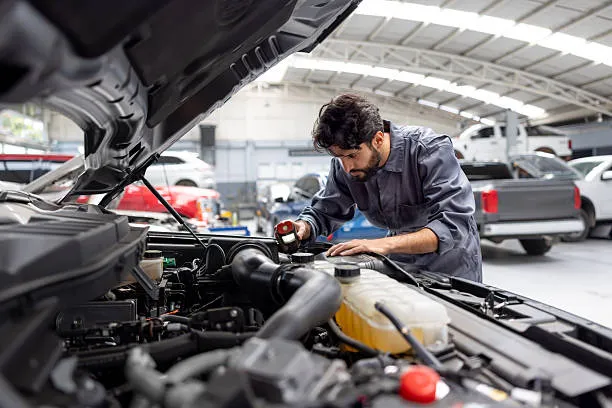
Taking your car to an auto shop can be easier when you know what to expect and prepare beforehand. Whether you are visiting for routine maintenance, a warning light, unusual noise, or a major repair, a little preparation can help the technician understand your vehicle and your concerns.
Before your appointment, gather important vehicle information, note any symptoms, check your maintenance records, and remove personal belongings from the car. These simple steps can make the service process more organized.
If you are searching for an auto shop Sacramento drivers can explore, Way provides access to local automotive service options for maintenance and repair needs.
Why You Should Prepare Before Visiting an Auto Shop
A repair appointment is more productive when you can clearly explain what is happening with your vehicle. A technician may need details about when a problem occurs, how often it happens, and whether anything makes the symptom better or worse.
For example, saying that the car makes a noise is helpful, but explaining that the noise occurs when braking or turning provides much more useful information.
Recommends giving the service advisor clear details about what you hear, see, or feel and asking for a written estimate before work begins.
Gather Your Vehicle Information
Before leaving for the auto shop, collect basic information about your vehicle. This can help the service advisor identify the correct maintenance requirements and understand your vehicle’s history.
Important information includes the make, model, model year, mileage, and vehicle identification number if needed.
Your owner’s manual is also useful because it contains information about recommended maintenance, fluids, tire specifications, and other vehicle requirements.
Keep Your Maintenance Records Handy
Maintenance records can help a technician understand what has already been done to your vehicle.
If you have receipts or digital records for previous services, bring them with you or keep them accessible on your phone.
Useful records may include:
-
Oil changes
-
Brake services
-
Tire replacements
-
Battery replacement
-
Major repairs
A complete maintenance history can also help prevent unnecessary duplicate work.
Write Down the Problems You Have Noticed
It is easy to forget important details once you arrive at the repair shop. Writing down your concerns before the appointment can help you explain everything accurately.
Think about when the problem started and whether it has become more frequent or severe.
Try to describe exactly what you experience rather than attempting to diagnose the problem yourself. The technician can inspect the vehicle and determine the likely cause.
Note When the Problem Happens
Specific details can make diagnosis easier.
For example, consider whether the issue occurs:
-
When starting the vehicle
-
During acceleration
-
While braking
-
When turning
-
At high or low speeds
You can also note whether the vehicle behaves differently when the engine is cold or after it has been running for a while.
Check the Dashboard Warning Lights
If your dashboard has a warning light, make a note of which light is illuminated.
Do not ignore warning lights simply because the vehicle appears to be driving normally. Some warnings can indicate issues that require prompt attention.
If you see a warning light that you do not recognize, check your owner’s manual for an explanation and mention it when scheduling your service.
Avoid clearing a warning light simply to make it disappear. Doing so can remove useful information that a technician may need during diagnosis.
Check Basic Vehicle Conditions
You do not need to perform mechanical work before visiting an auto shop. However, a basic visual check can help you identify information worth sharing with the technician.
Look around the vehicle for visible leaks, damaged tires, broken lights, or other obvious changes.
Recommends checking important vehicle components such as tires, fluids, brakes, battery connections, belts, and hoses as part of routine vehicle care.
Look for Visible Warning Signs
Pay attention to anything that looks different from normal.
You may notice:
-
Fluid spots under the vehicle
-
Low or damaged tires
-
Cracked or damaged lights
-
Loose or damaged components
Do not attempt to repair unfamiliar mechanical problems yourself. Instead, tell the repair shop what you observed.
Check Your Tire Pressure
Tire pressure is another simple item to check before visiting a repair shop.
Look at your vehicle’s recommended tire pressure in the owner’s manual or on the tire information label, usually located on the driver’s side door area.
If the tire pressure warning light is illuminated, mention it during your appointment. A technician can inspect the tires for leaks, damage, or other problems.
If a tire is severely damaged or losing air quickly, avoid driving unnecessarily and seek appropriate professional assistance.
Remove Personal Belongings From Your Car
Before leaving your vehicle at an auto shop, remove valuables and personal items from the interior.
Check the glove compartment, center console, door pockets, trunk, and other storage areas.
Removing unnecessary items can also make it easier for technicians to access areas of the vehicle if they need to inspect the interior or trunk.
Keep important documents and personal items with you unless the technician specifically needs them for the service.
Understand What Service You Are Requesting
Before arriving, make sure you understand the primary reason for your appointment.
If you are scheduling an oil change, know whether you also want a general inspection. If you are experiencing a braking issue, explain the symptoms rather than simply requesting a particular part replacement.
This allows the technician to evaluate the actual problem instead of assuming that a specific component is responsible.
Way’s Sacramento automotive listings include services such as oil changes, brakes, tires, batteries, fluids, filters, and engine services, depending on the individual facility.
Ask About the Estimate Before Approving Repairs
One of the most important steps is understanding the expected cost before authorizing additional work.
Ask the shop for a written estimate that clearly explains the recommended repair, parts, labor, and other applicable charges.
They recommends obtaining an itemized written estimate and confirming that the shop will contact you before exceeding the approved amount.
Ask Questions About Additional Repairs
A technician may discover another issue during an inspection. That does not necessarily mean the additional repair is unnecessary, but you should understand why it is being recommended.
Ask the service advisor to explain the issue and whether the repair is urgent or can be scheduled for later.
You can also ask:
-
What happens if the repair costs more than the estimate?
-
Which repair should be completed first?
-
Is the repair covered by a warranty?
Clear answers can help you make an informed decision.
Ask About Parts and Warranty Coverage
If your vehicle needs replacement parts, ask what type of parts will be used.
Depending on the repair, the shop may offer original equipment manufacturer parts, aftermarket parts, or other options. The appropriate choice can depend on the vehicle, repair, budget, and manufacturer’s recommendations.
You should also ask about warranty coverage for parts and labor.
A clear warranty policy can help you understand what happens if the same problem returns after the repair.
Prepare Questions for the Technician
You do not need to be an automotive expert to ask useful questions.
If something about the recommended service is unclear, ask the technician or service advisor to explain it in simple terms.
Recommends evaluating whether a repair shop can explain repairs clearly and provide information about technician experience and qualifications.
Useful Questions to Ask
Before approving a repair, consider asking:
-
What caused the problem?
-
Is the repair urgent?
-
What parts need to be replaced?
-
How long will the repair take?
-
What warranty is included?
The answers can help you understand the repair and compare your options.
Plan for the Time Your Car May Be at the Shop
Some services can be completed relatively quickly, while diagnostic work and larger repairs may take longer.
Ask how long the shop expects to need the vehicle. If you rely on your car for work or other daily activities, arrange alternative transportation if necessary.
Some repair facilities offer appointment scheduling, shuttle services, or other transportation options. Recommends asking about these conveniences when choosing a repair facility.
Keep a Record After the Repair
Once the service is complete, keep your invoice and repair documentation.
The invoice can show what work was performed, which parts were installed, and what was charged. Keeping these records can make future maintenance easier.
It can also help if you need to discuss a warranty issue or sell the vehicle later.
After picking up your car, ask whether there are any recommended services that will be due soon. Repair shops can help customers plan upcoming maintenance based on the vehicle’s recommended service schedule.
Final Thoughts
Preparing your car before visiting an auto shop in Sacramento can make the repair process more efficient and easier to understand.
Start by gathering your vehicle information and maintenance records. Write down symptoms, check warning lights, inspect basic vehicle conditions, remove personal belongings, and prepare questions about the service.
Most importantly, ask for a clear written estimate before authorizing significant repairs. Understanding the recommended work, expected cost, parts, timeline, and warranty can help you make informed decisions about your vehicle.
Whether your car needs routine maintenance or professional diagnosis, being prepared can make your visit to an auto shop more straightforward.
Contact us today: Way is an automotive services platform that helps drivers find and explore local vehicle maintenance and repair services.